Peptides for longevity and energy: NAD+, MOTS-c, SS-31, 5-Amino-1MQ
NAD+, MOTS-c, SS-31 and 5-Amino-1MQ: mitochondrial metabolism, cellular energy and longevity pathways.
10 results displayed
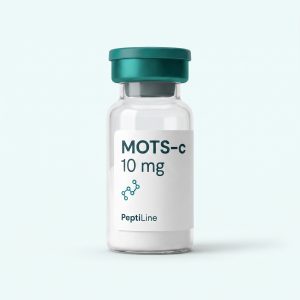
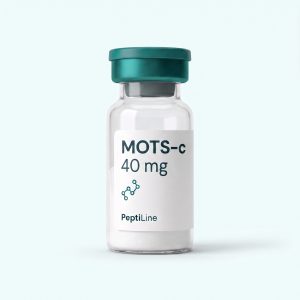
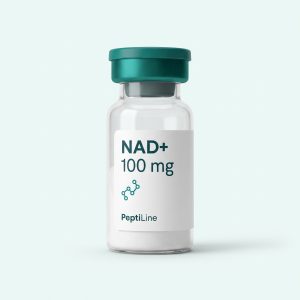
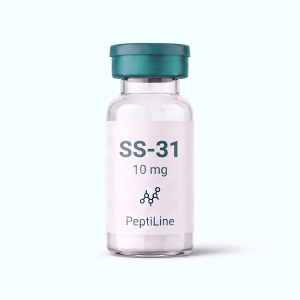
The mitochondria at the center
This family includes compounds studied for cellular energy metabolism and aging pathways.
- NAD+(nicotinamide adenine dinucleotide): coenzyme of energy metabolism, in a 100 mg vial.
- WORDS-c: peptide encoded by mitochondrial DNA, in 10 and 40 mg.
- SS-31(elamipretide): peptide that binds to cardiolipin in the inner mitochondrial membrane.
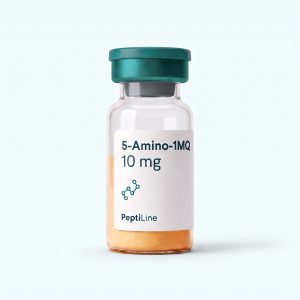
- 5-Amino-1MQ: small molecule inhibitor of the NNMT enzyme.
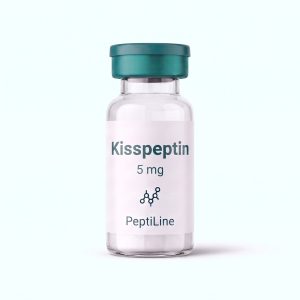
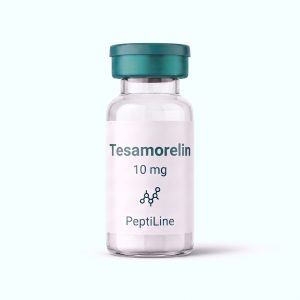
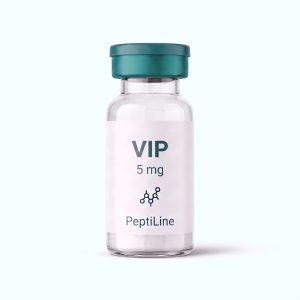
- Hormonal axis and signaling: tesamorelin (GHRH analogue), kisspeptin, VIP (intestinal vasoactive peptide).
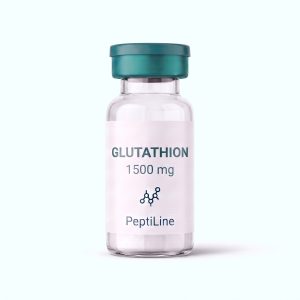
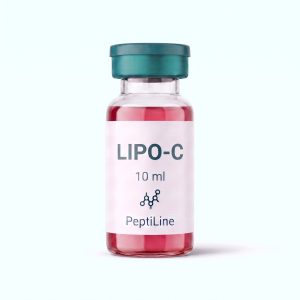
- Glutathione et Lipo-C.
Published reports
NAD+ 100 mg, 5-Amino-1MQ, MOTS-c 40 mg, VIP, kisspeptin, and tesamorelin have a published Janoshik report (measured quantity or HPLC purity depending on the product): see the pagecertificates of analysis.
To go further
Frequently Asked Questions
Is NAD+ a peptide?
No: NAD+ is a coenzyme, not a peptide. It is included in this family because it is studied for the same energy metabolism pathways as MOTS-c or SS-31.
What is the difference between MOTS-c 10 mg and 40 mg?
It's the same peptide in two sizes. The 40 mg vial has a published Janoshik report with HPLC purity and is less expensive per milligram.
How should these products be stored?
The vials contain freeze-dried powders, which must be kept refrigerated and protected from light. Once reconstituted, the solution should be stored between 2 and 8 °C.
Products intended exclusively for scientific laboratory research. Not for medical advice.